Blog ·
How to Identify Failing Siding: Warning Signs Your Home Needs Attention
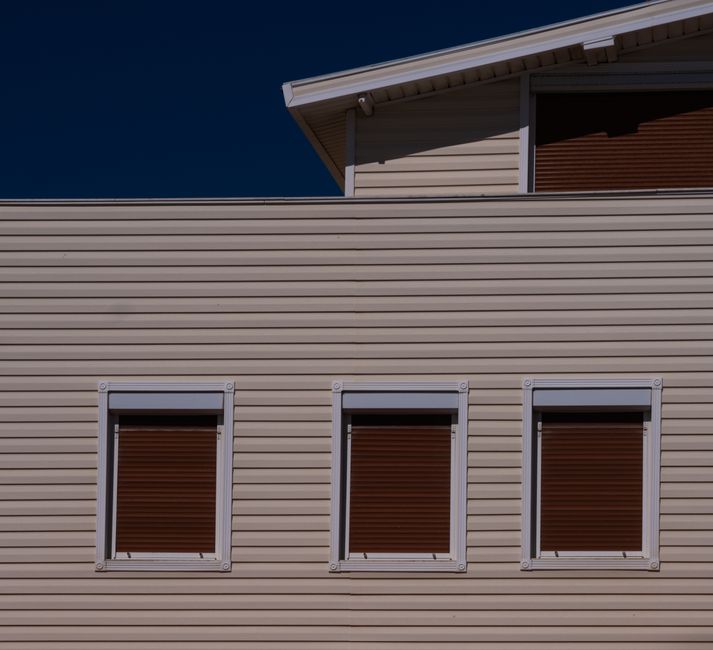
Your home's siding is more than just an aesthetic feature—it's your first line of defense against weather, moisture, and the elements. When siding fails, it can lead to serious problems inside your home, including water damage, insulation issues, and structural concerns. As a homeowner, knowing the warning signs of failing siding can help you address problems before they become costly repairs.
Visible Damage and Deterioration
One of the most obvious signs of failing siding is visible damage. Look for cracks, dents, warping, or buckling in your siding panels. These imperfections may seem minor, but they create openings where moisture can infiltrate behind your siding. Rotting wood siding is especially concerning, as it indicates water damage and decay that will only worsen over time.
Gaps and Separations
Pay attention to gaps and separations between siding panels or where your siding meets trim, windows, and doors. These gaps compromise your home's weathertightness and allow outside air to seep into your home. This not only affects your home's comfort but also makes your insulation less effective and increases energy costs.
Discoloration and Growth
Fading and discoloration are other red flags. While some color fading is normal over time, sudden or uneven fading may indicate that your siding's protective coating is failing. Paint peeling or bubbling suggests moisture problems beneath the surface. Similarly, if you notice mold, mildew, or algae growth on your siding, it points to moisture retention issues.
Sounds and Interior Signs
Listen for sounds as well. If you hear hollow sounds when touching your siding, it may indicate that the backing has deteriorated or that water damage has weakened the structure. This is particularly important to address quickly, as it suggests moisture has already penetrated deeper into your home's wall system.
Interior signs matter too. If you notice water stains on interior walls, especially near the foundation or under eaves, your siding may be failing to keep moisture out. Rising energy bills can also signal that your siding's insulation value has decreased due to moisture damage or gaps.
Taking Action
The good news is that failing siding doesn't mean disaster. Replacing old, damaged siding with durable, high-quality options restores your home's protection and improves its appearance. Many homeowners pair new siding installation with enhanced home insulation, creating a comprehensive weatherization solution that boosts energy efficiency.
If you've noticed any of these warning signs, it's time to take action. Replacing failing siding protects your home's structural integrity, improves insulation performance, and enhances your home's curb appeal. The longer you wait, the more damage can accumulate behind your siding.
Your home deserves protection. Whether you're seeing visible damage or experiencing efficiency problems, addressing siding failure promptly prevents bigger problems down the road.